Types of SASSA Grants – A Complete Guide

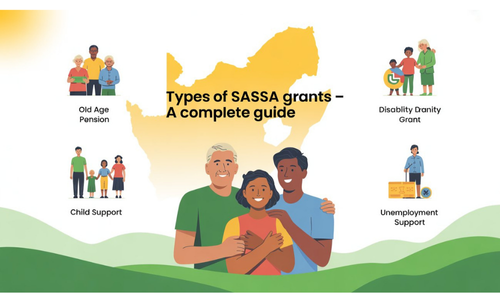
The South African Social Security Agency which is known by(SASSA) offers financial help to millions of people in need. These grants support children, the elderly, people with disabilities, and others who cannot support themselves due to social or health conditions. Each grant has specific rules and is designed for a particular group of people. Understanding each grant can help you or someone you know apply for the correct support. Below is a detailed look at the 8 types of SASSA grants in South Africa.
1. Older Persons Grant

The Older Persons Grant is also called the old-age pension. It is for South African citizens, permanent residents, or refugees who are 60 years or older and have little or no income. To qualify, applicants must not be receiving any other social grant and must pass a means test. If married, the spouse’s income and assets are also considered. The grant is meant to help the elderly meet basic needs such as food, transport, and healthcare.
As of 2025, the monthly amount is R2,180 for people aged 60–74 and R2,200 for those aged 75 or older. Payment is made monthly through bank accounts, SASSA cards, or cash pay points. Applicants must apply at the nearest SASSA office with their ID, proof of income, and other documents. The grant helps elderly citizens live with dignity and independence, especially those without retirement savings or family support. Regular reviews ensure that only eligible persons continue receiving this support. If financial status changes, it must be reported to SASSA immediately.
2. Disability Grant

The Disability Grant supports people who are physically or mentally disabled and unable to work for at least six months. It is available as a temporary (6–12 months) or permanent grant, depending on the medical condition. The applicant must be between 18 and 59 years old and must pass a means test. A medical assessment is required to confirm the level and duration of the disability.
As of 2025, the monthly payment is R2,180. SASSA requires a medical report not older than three months, along with other documents such as an ID, proof of residence, and bank details. Refugees and permanent residents can also apply. The application is done at any SASSA office, and the decision can take up to three months.
This grant supports people with disabilities by helping them cover daily living expenses such as medical care, transport, and food. If the disability is permanent the grant may be extended after a review. For temporary disabilities beneficiaries need to reapply once the approved period ends. If the person recovers and is able to work again the grant can be stopped. SASSA carefully monitors all cases to ensure the grant is used fairly and legally.
3. Child Support Grant

The Child Support Grant is meant to help low-income caregivers provide for children under the age of 18. It is available to South African citizens, permanent residents, and refugees who are the primary caregivers of the child. Caregivers can be parents, grandparents, or any responsible adult living with the child.
The grant amount as of 2025 is R530 per month per child, with a possible top-up of R260 for qualifying cases. To be eligible, the caregiver must pass a means test. For single caregivers, income must be less than R52,800 per year. For married caregivers, the joint income must be less than R105,600 annually.
Applications are made at any SASSA office with the child’s birth certificate, caregiver’s ID, proof of income, and school attendance if the child is old enough. The grant encourages parents to send children to school and cover basic needs such as food, clothes, and health care. It is one of the most common SASSA grants and supports millions of children in South Africa. Regular updates are needed to ensure continued support, especially when children reach 18 or change living arrangements.
4. Foster Child Grant
The Foster Child Grant is given to foster parents who are caring for a child placed in their care by a court. The grant helps support the child’s daily needs, including food, schooling, clothing, and health care. The child must be legally placed in the caregiver’s custody by the Department of Social Development or the court system.
The monthly payment in 2025 is R1,180 per foster child. This grant is not affected by the caregiver’s income. It applies only to foster care situations, not biological or adopted children. The foster parent must show a court order, the child’s birth certificate, the caregiver’s ID, and any documents confirming the child’s placement.
Applications are made at a SASSA office. Once approved, payments continue as long as the court order is valid. If the court order expires or the child is no longer in foster care, the grant ends. The goal is to ensure children without parental care can still grow in a safe and nurturing environment. SASSA works closely with social workers to monitor the well-being of these children and ensure the grant is used for its intended purpose.
5. Care Dependency Grant
The Care Dependency Grant is for caregivers of children under 18 who have a permanent disability and need full-time care. This includes physical or mental conditions that make it hard for the child to manage daily tasks without help. The grant allows parents or caregivers to provide the support and treatment the child needs.
In 2025, the monthly grant is R2,180 per child. To apply, the child must undergo a medical assessment to prove the need for constant care. The caregiver must also pass a means test, though this does not apply to foster parents. Required documents include the child’s birth certificate, the caregiver’s ID, and a recent medical report.
The grant continues until the child turns 18, but SASSA may review the case regularly. If the child’s condition improves or the medical report shows they no longer need full-time care, the grant may stop. The caregiver must report changes in income or living arrangements. The grant helps families cover costs like medical treatments, transport, special diets, and schooling. It ensures that children with severe disabilities are not left without the care and support they deserve.
6. Grant-in-Aid
The Grant-in-Aid is a small grant for people who already receive a SASSA grant (such as Older Persons, Disability, or War Veterans Grant) and now need full-time care from someone else. It is an extra payment meant to help cover the cost of hiring or supporting a caregiver.
The amount in 2025 is R510 per month. To qualify, the main grant recipient must prove that they are too frail or sick to care for themselves. A medical report confirming the condition is required. This grant is not applied for on its own—it must be linked to an existing grant.
Applicants must visit a SASSA office with their ID, the original grant approval, and a detailed medical report. The process includes an interview and verification of the medical condition. The Grant-in-Aid is not affected by the recipient’s or caregiver’s income.
It is mainly used to help pay for home-based care, support services, or family assistance. It ensures that those who are fully dependent on others can still live with dignity and care. SASSA reviews these cases regularly and may cancel the grant if the person recovers or the caregiver arrangement changes.
7. War Veterans Grant
The War Veterans Grant is for South African citizens or permanent residents who served in World War II (1939–1945) or the Korean War (1950–1953). Applicants must be 60 years or older or be disabled. They must also not receive other social grants and must pass a means test.
In 2025, the monthly grant is R2,200. Applicants need proof of military service, such as official discharge papers or certificates. They must also provide their ID, proof of income, and bank details. The grant helps aging veterans live with dignity and honor, recognizing their service to the country.
Applications must be submitted in person at a SASSA office. Veterans can get help from social workers or family members during the process. Once approved, the grant is paid monthly through various methods including SASSA cards and bank transfers.
This grant is very limited in number due to the small group of surviving veterans. However, it remains an important part of South Africa’s commitment to its military heroes. It supports medical needs, food, and transport for these elderly citizens. Reviews are done occasionally to confirm eligibility and update any financial or personal details.
8. Social Relief of Distress (SRD) Grant – R370 Monthly Support
The SRD grant is a temporary assistance given during emergencies or crises. It is often called the SRD R370 grant and was introduced during the COVID-19 pandemic. It helps unemployed people with no income, social grants, or UIF benefits. As of 2025, the monthly amount is R370.
This grant is available to South African citizens permanent residents asylum seeker and special permit holders between the ages of 18 and 59. To qualify applicants must not be receiving any other form of government assistance. Applications can be submitted online through the official SASSA website via WhatsApp or through the GovChat.
Applicants must submit their ID, contact details, bank information, and confirm their income status. SASSA checks the data against other government databases to approve or reject applications. The grant is reviewed every month, and recipients must re-confirm their status.
The SRD R370 grant has helped millions of people survive during tough times. It provides money for food, transport, and other essentials. Though temporary, the grant may be extended or modified depending on the government’s budget and policies. SASSA regularly publishes payment dates and updates for beneficiaries to track their status online.
Conclusion
SASSA grants play an important role in reducing poverty supporting vulnerable groups and protecting human dignity in South Africa. Each grant comes with its own rules and eligibility criteria designed to meet specific needs. Whether you are taking care of a child living with a disability or struggling with unemployment SASSA provides a safety net to help you manage daily life. To keep receiving your benefits without delays it’s important to apply with correct information and stay updated with all announcements from SASSA.